Bluestone or Concrete Patio: Which Is Right for Your New York Home?
Picking the right patio material is one of the bigger decisions in a backyard project. Bluestone vs concrete patio is the most common debate we hear at JS Masonry Construction LLC, and there's no single right answer. Both materials hold up well in New York if they're installed correctly. The choice usually comes down to a mix of style, budget, lifespan and how the space will actually be used.
Bluestone has a natural, premium look that many homeowners love, but it costs more. Concrete is more affordable, more flexible in shape and color, and easier to repair, but it doesn't have the same character. In this article, we'll compare the two side by side across appearance, cost, durability and installation, so you can decide which one fits your home, your yard and your budget. By the end, you'll have a clear sense of which material to ask your contractor to quote.
Appearance and Style
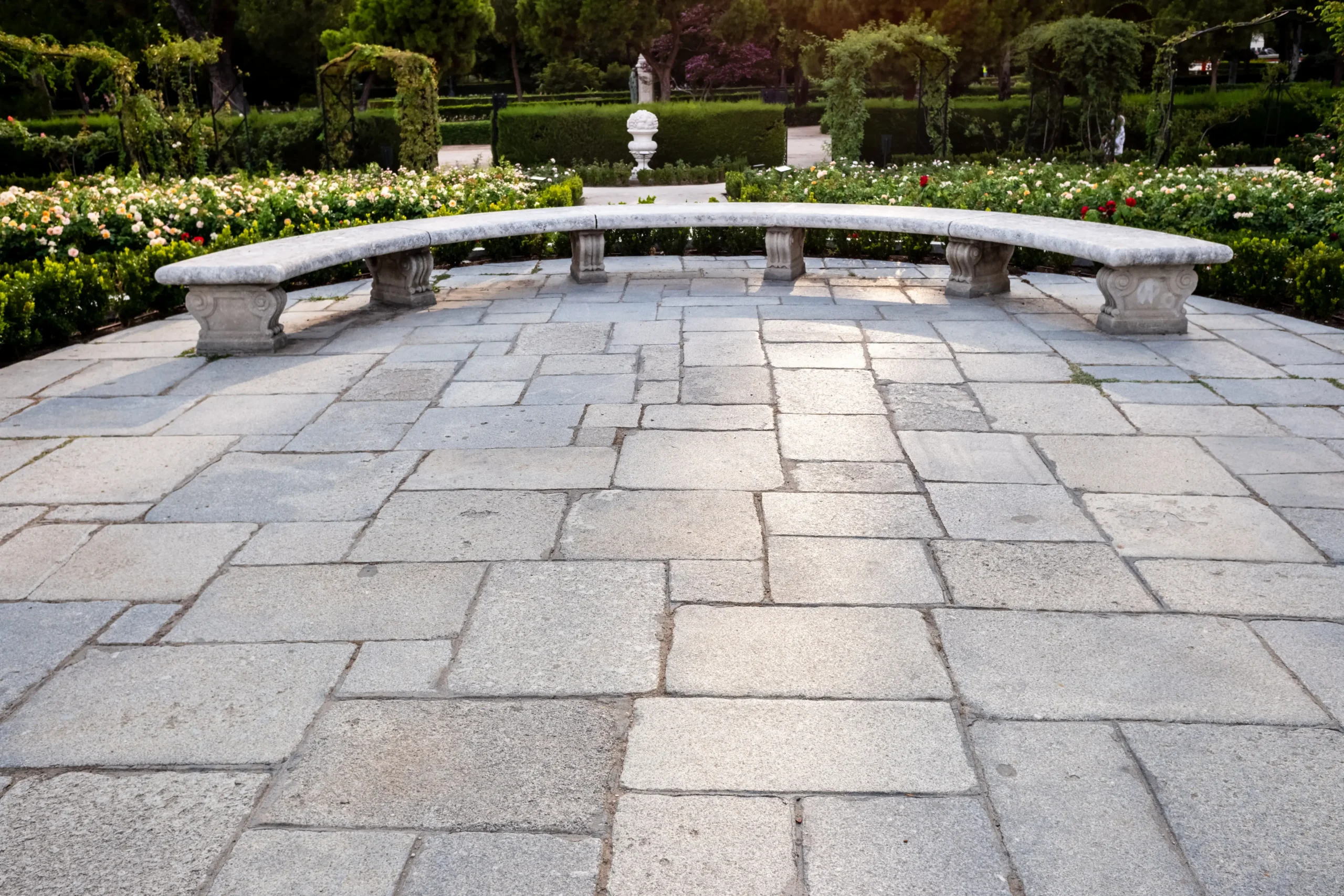
Bluestone has a natural look that concrete can't quite match. Each piece has its own subtle variation in color, with shades of blue, gray and tan that change in different light. A bluestone patio reads as premium and works especially well on traditional, historic or upscale homes.
Concrete is more uniform. Plain poured concrete has a flat, modern look that works on contemporary homes but can feel utilitarian on older properties. Stamped or stained concrete tries to mimic stone, brick or tile, and gives you more design flexibility. The mimicking is decent, but a trained eye can usually tell. If the look of natural stone is a priority, bluestone is the clear winner. If you want a clean, modern surface or a specific custom pattern, concrete may be the better fit.
Cost Comparison
This is where the two materials separate. Plain poured concrete is typically the most affordable option per square foot. Stamped or stained concrete costs more but is still usually less than bluestone. Bluestone, especially thermal cut, sits at the higher end of patio pricing. The cost difference can be significant on a larger patio, sometimes double or more depending on the finish.
That said, the price gap narrows when you factor in lifespan and maintenance. Bluestone often lasts 50 years or more, while concrete typically lasts 25 to 30 years before showing serious wear. If you plan to stay in the home long term, the cost per year of use evens out. We can quote both options on the same site visit so you see a true comparison.
Durability and Maintenance
Both materials handle New York weather, but in different ways. Bluestone is a dense natural stone that resists cracking, fades very slowly and stays attractive for decades. It does need occasional sealing to repel stains and slow color shift. Repairs are possible by replacing individual stones, which is easier than patching concrete.
Concrete is also durable, but it's more prone to cracking from freeze and thaw cycles, especially without proper control joints and sealing. Concrete repairs are harder to make invisible. A patch usually stands out against the rest of the slab. Stamped concrete adds another wrinkle, since the pattern itself can be tough to match on a repair. Lower maintenance long term goes to bluestone, lower install cost goes to concrete.
Installation and Timeline
Concrete installation is faster. Pouring a slab is a one or two day job for most patios, plus cure time before furniture goes on. Bluestone takes longer. Each stone has to be set by hand, joints have to be filled, and base prep usually involves more layers. A bluestone patio typically takes several days to a week to install.
Both options need proper base prep and drainage to last. Skipping base work is the most common reason patios fail in New York, regardless of material. Concrete makes more sense if you need the patio finished fast for an upcoming event. Bluestone makes more sense if the schedule is flexible and the finished look is the priority. We work with both materials on a regular basis.
Frequently Asked Questions
Bluestone usually lasts longer. A well installed bluestone patio can last 50 years or more, while concrete typically lasts 25 to 30 years before showing serious wear.
Stamped concrete can imitate the pattern, but the color and texture rarely match true natural stone. The look is decent but a trained eye can usually tell the difference.
Bluestone generally adds more to home value because of the premium look and material. Concrete still adds value but at a lower bump on the appraisal.
Bluestone actually stays cooler than concrete in direct sun, which makes it more comfortable for bare feet around pools and outdoor seating areas.
Yes, and it works well. We often use bluestone as a border or feature around a poured concrete center, which gives the high end look at a lower total cost.
Get a Free Patio Estimate in New York
Still deciding between bluestone and concrete? Call JS Masonry Construction LLC for a free written estimate on both materials at your home.